Technics SL-1200MK2
A precision direct-drive turntable introduced in 1979 and firmly established in the 1980s. Quartz-controlled speed, solid construction and a properly adjusted tonearm make it a classic.
Technics history ↗Coffee culture · Analog sound · Slow afternoons
A moka pot on the stove. A record on the turntable. Nothing to rush.
An invitation to rediscover the pleasure of listening to whole albums through the warmth and precision of a well-kept 1980s hi-fi system.
Step into the listening room ↓I · The connection
In one version of the Saliguz legend, coffee is part of a love ritual. Here, we leave the spell behind and celebrate coffee as a quieter kind of magic: the pleasure of taking our time.
The traditional džezva belongs to the remembered folklore; the Italian moka pot belongs to a different history. Both, in their own ways, invite us to pay attention to the act of making coffee.
While the moka pot brews, select an LP. Pour the coffee, take a seat and listen to the album rather than skipping from track to track. The music deserves the same care as the cup.
This is a contemporary lifestyle connection, not a claim that vinyl records or a moka pot formed part of the historical Saliguz tradition.
II · The 1980s listening room
The golden age of Japanese and European hi-fi left behind equipment that still rewards careful setup and maintenance. This example system is inspired by the era, not a claim that these exact components were sold as a single factory set.
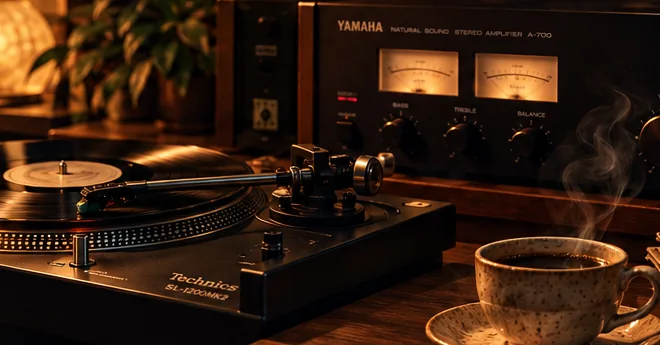
A precision direct-drive turntable introduced in 1979 and firmly established in the 1980s. Quartz-controlled speed, solid construction and a properly adjusted tonearm make it a classic.
Technics history ↗A 1983–84 integrated stereo amplifier with phono inputs, designed for traditional two-channel listening. Pair it with suitable speakers and a correctly matched cartridge.
Period specifications ↗Choose correctly rated speakers, position them symmetrically and give the listening position some breathing room. Their condition and room placement matter more than nostalgia alone.
Also essential: a healthy stylus, correct tracking force and an amplifier-speaker match that is electrically safe.
THE VINTAGE HI-FI GUIDE · THE EIGHTIES AT HOME
A good record deserves a good room. These are period-correct components and enduring designs, rather than a claim that one brand always sounds better. Their condition, setup and the acoustics of the room matter as much as the badge on the front.
JAPAN · 1979, AN EIGHTIES STAPLE
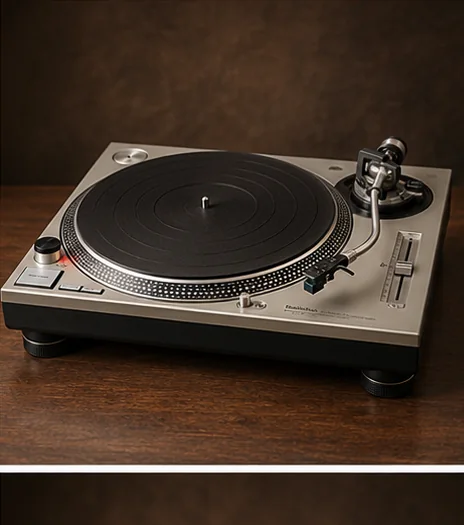
Illustrative image — not a documentary photograph of this model.
Quartz-locked direct drive, robust construction and consistent rotation: an unusually practical vintage record player. Today it remains a strong option if the arm bearings, pitch system and motor have been checked, particularly on examples with a DJ past.
Today: easy to live with, provided it has not been abused.
SCOTLAND · INTRODUCED 1973, AN EIGHTIES ICON
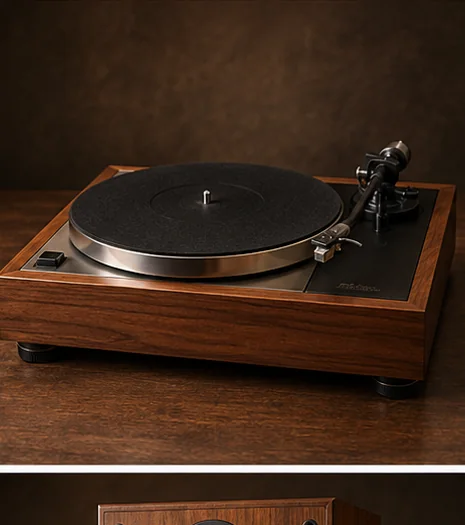
Illustrative image — not a documentary photograph of this model.
Belt drive and a suspended sub-chassis made the LP12 a landmark of British hi-fi. It rewards careful installation and can be upgraded, but an old one is not automatically a bargain: suspension, belt, bearings and power supply need attention.
Today: remarkable longevity, with a higher setup and service burden.
JAPAN · 1983–1984
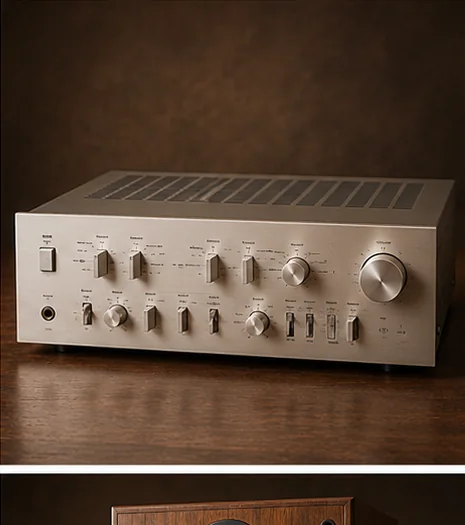
Illustrative image — not a documentary photograph of this model.
Rated at 100 watts per channel into 8 ohms, the A-700 offers phono support for moving-magnet and moving-coil cartridges and the power reserve for many conventional speakers. Have its switches, power supply and aged electronic components checked before daily use.
Today: the more versatile choice for speakers needing headroom.
BRITISH HI-FI · LAUNCHED 1978, CELEBRATED THROUGH THE EIGHTIES
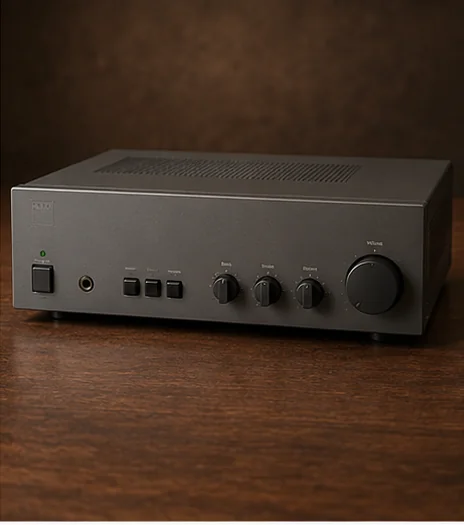
Illustrative image — not a documentary photograph of this model.
A modest 20 watts per channel into 8 ohms on paper, with an influential value-first design and a useful phono stage. Its reputation came from musicality and surprisingly capable real-world drive, not a large wattage number. Vintage switches and capacitors deserve inspection.
Today: wonderful with sensible listening levels and suitable speakers.
GERMANY · 1981
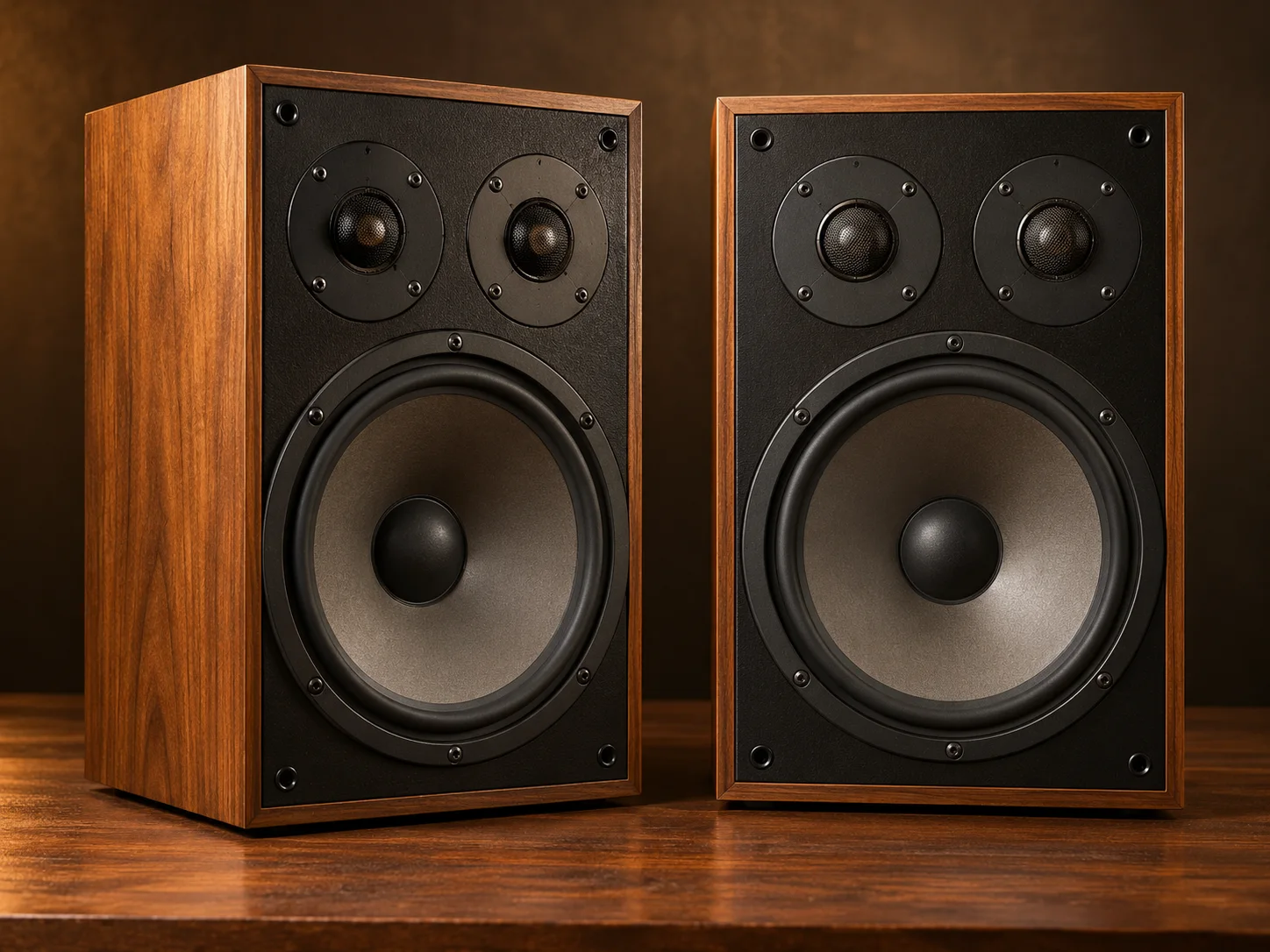
Illustrative image — not a documentary photograph of this model.
A compact, sealed, three-way passive loudspeaker with a 26 cm bass driver, dome midrange and tweeter. Its restrained cabinet suits a dedicated listening corner on sturdy stands, though it needs space around it. Confirm the impedance printed on the actual pair: archival databases disagree on whether every variant was rated 4 or 8 ohms.
Today: check driver condition, crossover parts and amplifier load compatibility.
JAPAN · CIRCA 1982
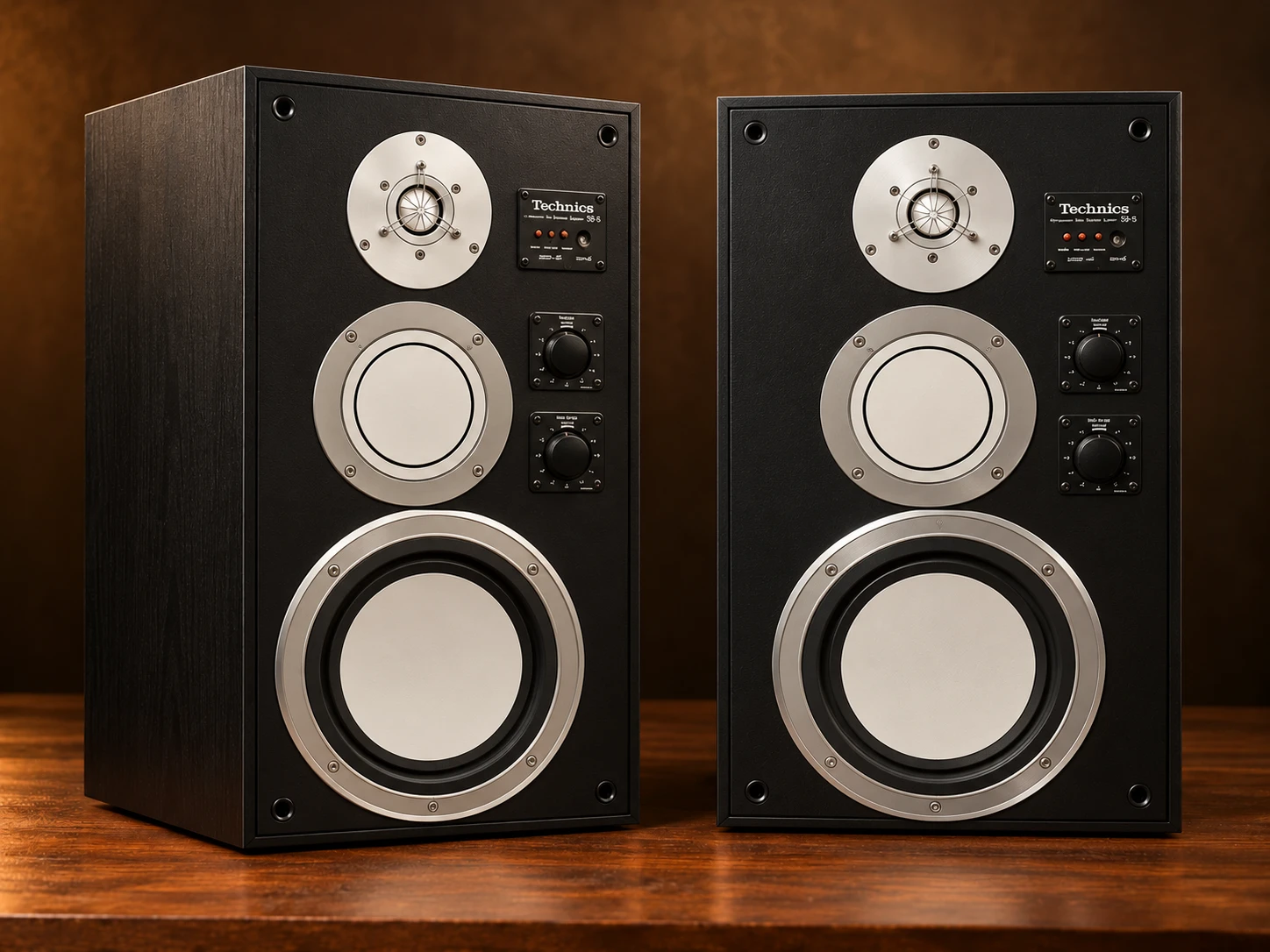
Illustrative image — not a documentary photograph of this model.
A three-way, 8-ohm loudspeaker with a 22 cm bass driver and a cabinet suited to medium-sized listening rooms. Its 87 dB rated sensitivity makes adequate amplifier power and positioning worth considering. Listen for equal output from every driver before buying.
Today: inspect surrounds, tweeters, terminals and aging crossover components.
For a small or medium room, start with well-positioned speakers, a clean record and a serviced amplifier. The Technics + Yamaha combination favors easy operation and power reserve; the Linn + NAD combination evokes classic British listening-room culture. Neither pairing guarantees superior sound: cartridge choice, speaker impedance, room placement and service condition decide the result.
Placement matters: place speakers at similar distances from the listening chair, avoid pushing cabinets tightly into corners and keep the turntable off vibrating shelves. A properly maintained 40-year-old system can still be delightful, but never connect an amplifier to a speaker load it cannot safely drive.
Editorial note: the models span designs introduced in the late 1970s and products sold in the 1980s. Specifications are historical ratings, not fresh laboratory measurements of surviving units. This section is a vintage hi-fi guide, not a claim that these particular components were sold together.
III · Four records for four moods
The albums are not all from the 1980s. They are recordings to enjoy on a fine 1980s hi-fi system, spanning classic rock, sophisticated soul and jazz.
Pink Floyd · 1975
An album about absence, connection and memory. Put the needle down and let the spacious opening of “Shine On You Crazy Diamond” unfold without interruption.
Suggested listen: Shine On You Crazy Diamond · Wish You Were Here
Fleetwood Mac · 1977
Warm, intimate production and songs about complicated relationships. “Dreams” and “The Chain” make a striking contrast with the romance and longing running through the Saliguz tale.
Suggested listen: Dreams · The Chain · Songbird
Sade · 1984
Silky vocals, sophisticated arrangements and late-evening atmosphere. A natural companion to a carefully prepared cup of coffee and a quiet room.
Suggested listen: Smooth Operator · Your Love Is King
Miles Davis · 1959
This album predates the 1980s equipment, and that is the point: a timeless jazz record can sound wonderful on a carefully maintained vintage hi-fi system.
Suggested listen: So What · Blue in Green · All Blues
Album links go to official artist or band discographies. There are no embedded recordings: put on your own record, or choose a licensed listening service.
IV · The slow listening ritual
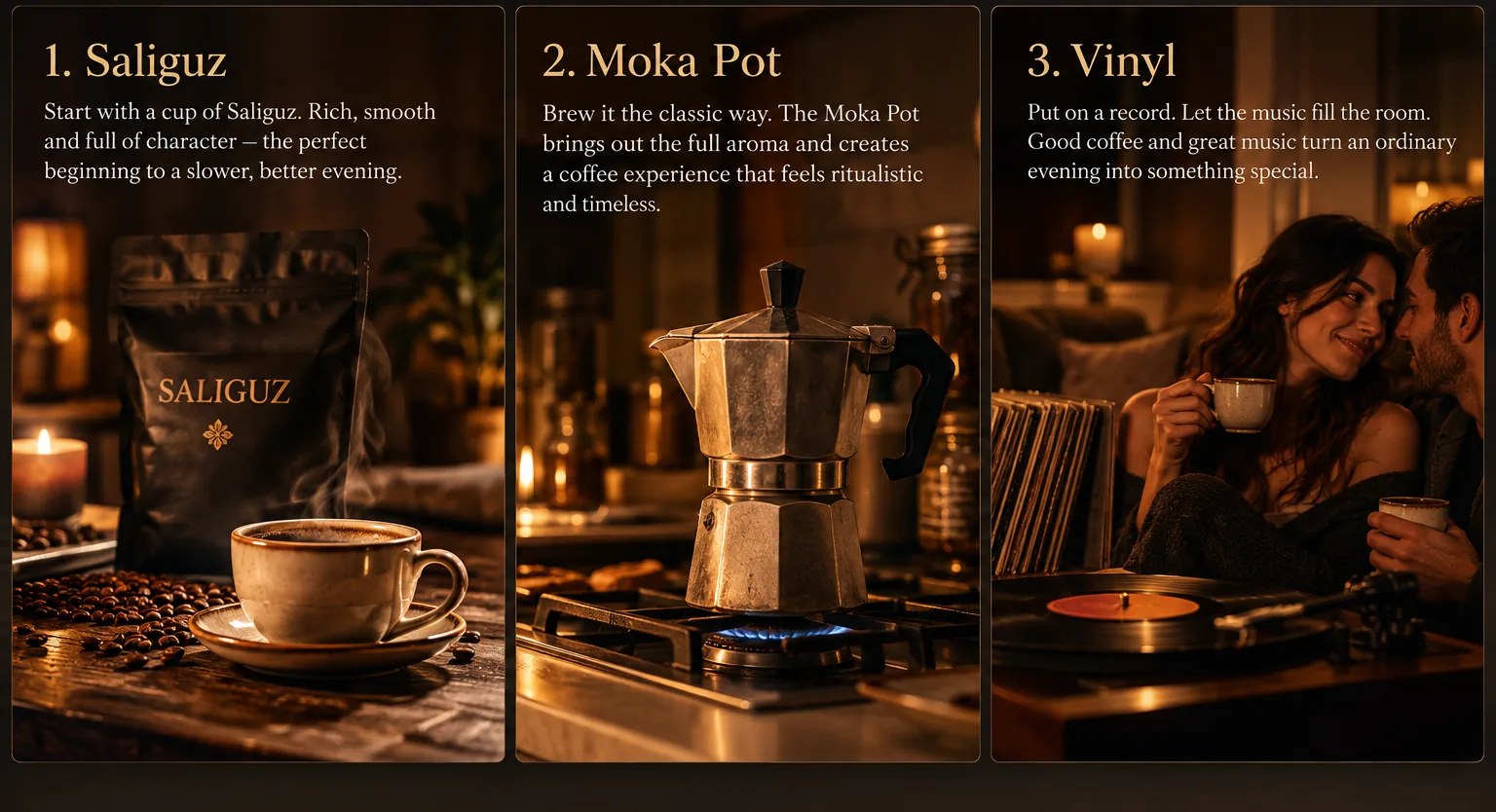
Fill safely, use gently controlled heat and take it off the stove as brewing finishes. Pour into a favourite cup.
Brush dust from the record, check that the stylus is clean and use the cue lever to lower the tonearm gently.
Set a comfortable volume, leave the phone aside and let the music breathe. Turn the record over when the side ends.
Store records upright in inner sleeves, keep them away from heat and sunlight, and handle them by the edge and label. Never force an old cartridge to play with a damaged stylus.
V · Sources and listening notes
The dates and equipment background above are grounded in manufacturers’ histories and official discographies:
Technics — SL-1200 heritage · Yamaha A-700 specification archive
Pink Floyd · Fleetwood Mac · Sade · Miles Davis
Learn to brew with a moka pot → Back to the Saliguz legend →
Know a regional variation, an old recording, or a forgotten folk tale? We'd love to hear from you.